Taste shapes the future of food
How do we get people to embrace new, sustainable foods? For Åsa Öström, Professor of Culinary Arts and Meal Science at Örebro University, taste, aroma and texture are key parts of the answer. Through DeLiS, she aims to bring together sensory science, food technology and innovation to help develop the food of the future.
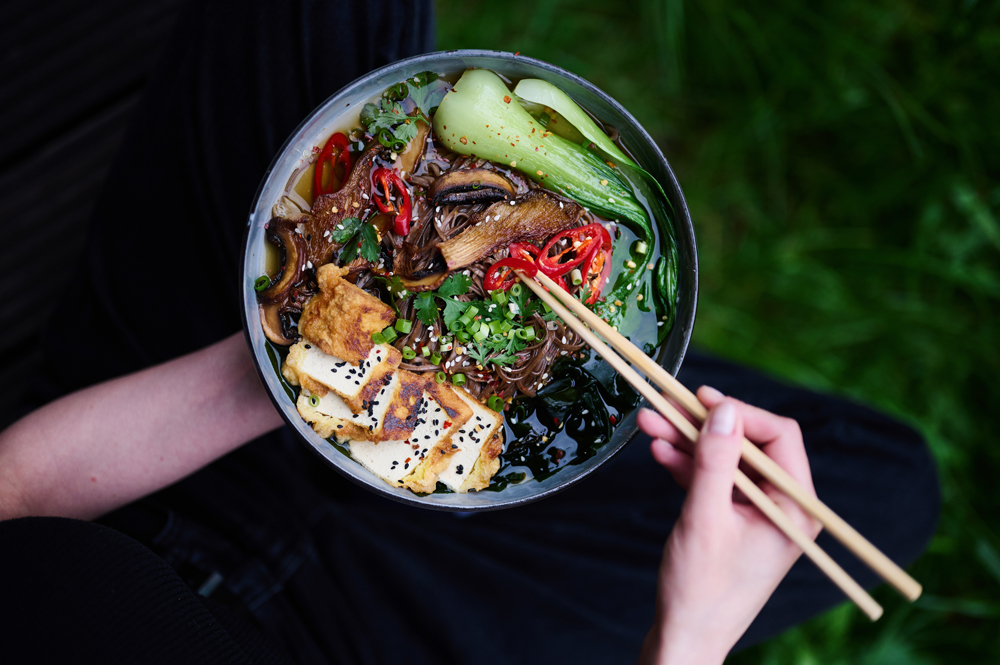
Our experience of food is shaped by its taste, aroma and texture, as well as our previous experiences. Sensory research helps us understand what makes people choose new foods. Photo: Joanna Wielgosz and Beata Furmanek.
We don’t eat simply to nourish our bodies. Food should also taste good, look appealing and ideally spark our curiosity. But what is it that makes us enjoy a particular dish? And how can this knowledge be used to develop new foods that people actually want to eat? These are the questions Åsa Öström is exploring.
She is Professor of Culinary Arts and Meal Science at the School of Hospitality, Culinary Arts and Meal Science in Grythyttan, and is part of the PAN Sweden research environment, where research on plant-based proteins and sustainable food is conducted through close collaboration between several disciplines.
Åsa Öström, Professor of Culinary Arts and Meal Science at Örebro University, wants to give taste, aroma and the dining experience a more prominent role in the development of tomorrow’s sustainable foods. Photo: Nina Jansson.
“One of the most important reasons we choose to eat something is that it tastes good. Through sensory science, we can investigate what that actually means and which characteristics influence our experience of food,” says Åsa.
What makes food taste good?
When we eat, all our senses work together. The appearance of food creates expectations even before we take the first bite. Its aroma, taste and texture then shape our experience of what we eat. But the experience is not just about the food itself. Our previous experiences, habits and cultural backgrounds also play an important role. A flavour that feels familiar and appealing to one person may seem unfamiliar to someone else.
“It is about the interaction between the characteristics of the product and who we are as people. What we are used to eating, what we recognise and the contexts in which we eat all influence how we experience food,” Åsa explains.
Sensory science is a scientific field that uses systematic methods to investigate how people perceive, for example, taste, aroma and texture. By combining sensory measurements with consumer studies, researchers can understand both the characteristics of a product and which of those characteristics make people enjoy it. This knowledge is particularly important when developing new foods.

What we find tasty is influenced by more than just the characteristics of the food itself. Our senses, previous experiences and expectations interact to shape our experience of what we eat. Photo: Joanna Wielgosz and Beata Furmanek.
From sustainable ingredients to enjoyable meals
Åsa has a long track record of interdisciplinary research into food and meals. In her doctoral thesis at Uppsala University, she examined how organic and conventional farming systems affected the taste and texture of tomatoes and carrots, in collaboration with researchers at SLU.
Today, several of her research projects focus on how plant-based meals can be developed to become more appealing and contribute to sustainable and healthy eating habits. The research is conducted in collaboration with chefs, restaurateurs and diners in both the restaurant industry and public food services. Because even if a new food product offers many environmental and nutritional benefits, there is no guarantee that consumers will choose it.
“Sensory science provides an important link between a product’s actual characteristics, how we perceive them and how much we enjoy the product. If we want to change our eating habits, we need to understand what makes people willing to try something new, but also what makes them want to eat it again,” says Åsa.
This may involve developing a more appealing texture, finding the right balance between different flavours or understanding how a product should best be presented. Even the way we describe food can influence people’s curiosity and willingness to try it.
Where gastronomy meets advanced technology
Within DeLiS, food research, advanced technology and innovation expertise come together to take research findings closer to the market. For Åsa, this is an opportunity to give gastronomy and the overall dining experience a more prominent role in food development.
“Much of food research is still carried out within separate, specialised fields. I see great opportunities in bringing gastronomy and sensory science together with research into sustainable food production and technology,” she says.
Åsa contributes expertise in how taste, aroma and texture can be scientifically measured. By combining sensory data with, for example, biochemistry and food processing technology, researchers can investigate how production methods affect both the characteristics of a product and the consumer experience.
“We need to monitor taste, aroma and texture throughout the entire development process, from the first experiments with ingredients and production methods to finished prototypes that can be tested by consumers,” Åsa explains.
Swedish tofu as a first example
A concrete example of how different research disciplines can come together within DeLiS is the project developing tofu from Swedish-grown faba beans, led by Maud Langton at SLU. The research team has demonstrated that tofu-like products can be made from Swedish faba beans. However, to take the product further, researchers need to investigate how the production process affects taste and texture, how production can be scaled up and what consumers are looking for.
This is where sensory science becomes an important complement to knowledge about the characteristics of raw materials and the technical processes involved.
By investigating how different production methods affect a product’s sensory characteristics, and linking the results to consumer experiences, research can help develop products that are both technically viable and appealing to the people who will eat them. This also illustrates one of the fundamental ideas behind DeLiS: innovation can emerge when researchers with different perspectives and areas of expertise work together.
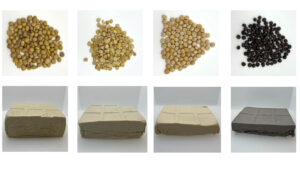
Soybeans, faba beans, yellow peas and grey peas (top row), and tofu-like products made from each of these legumes (bottom row). Research at SLU demonstrates how Swedish-grown legumes can be used to develop new food products. Photo: Jing Lu.
What will be on the plates of the future?
Åsa sees particularly great potential in developing foods based on locally produced ingredients. She also highlights the need for more knowledge about how different processing and cooking methods affect both taste and nutritional content. This is particularly relevant for plant-based ingredients, which often need to be processed to make them more appealing and to improve the body’s ability to absorb their nutrients.
At the same time, she believes that the foods of the future do not necessarily have to be entirely new or different. They also need to fit into people’s everyday lives and eating habits.
“We need to be able to relate to the food and feel confident in the ingredients, the production methods and the people producing it. The foods of the future need to be something we feel comfortable eating because they are tasty, sustainable and healthy,” says Åsa.
She hopes that DeLiS will contribute to long-term collaborations between researchers, entrepreneurs and companies, but also lead to tangible results that make it all the way to people’s plates. Ultimately, food innovation is not just about what we can produce, but also about what people will actually want to eat. Developing new foods based on Swedish-grown ingredients is also a way of strengthening Sweden’s food security.
This is where DeLiS aims to make a difference by bringing together research, technology and industry.
“Sweden has great potential to develop more food products based on our own raw materials. Through DeLiS, we want to create the conditions for research findings to be translated into new products and production solutions. This can contribute to both increased competitiveness and a more resilient Swedish food supply,” says Mats Wiktorsson, Innovation Advisor at SLU Holding.
“I hope we can establish a multidisciplinary platform where we get to know each other’s areas of expertise and develop new solutions together. It would be exciting to see both new food products on supermarket shelves and new meal concepts for schools, healthcare and elderly care.”
Contact
About DeLiS
DeLiS is the first step towards establishing a national collaboration platform connecting research in food and advanced technology. The aim is to help more research findings develop into sustainable innovations, new business opportunities and companies within the food sector.
Through collaboration between SLU Holding, the Swedish University of Agricultural Sciences (SLU), Örebro University, Örebro University Holding and Uppsala Innovation Centre (UIC), new pathways are being created from research to innovation and market. The project builds on the PAN Sweden research environment and is funded by the Swedish Agency for Economic and Regional Growth through the European Regional Development Fund for Eastern Central Sweden, Formas and Region Uppsala.