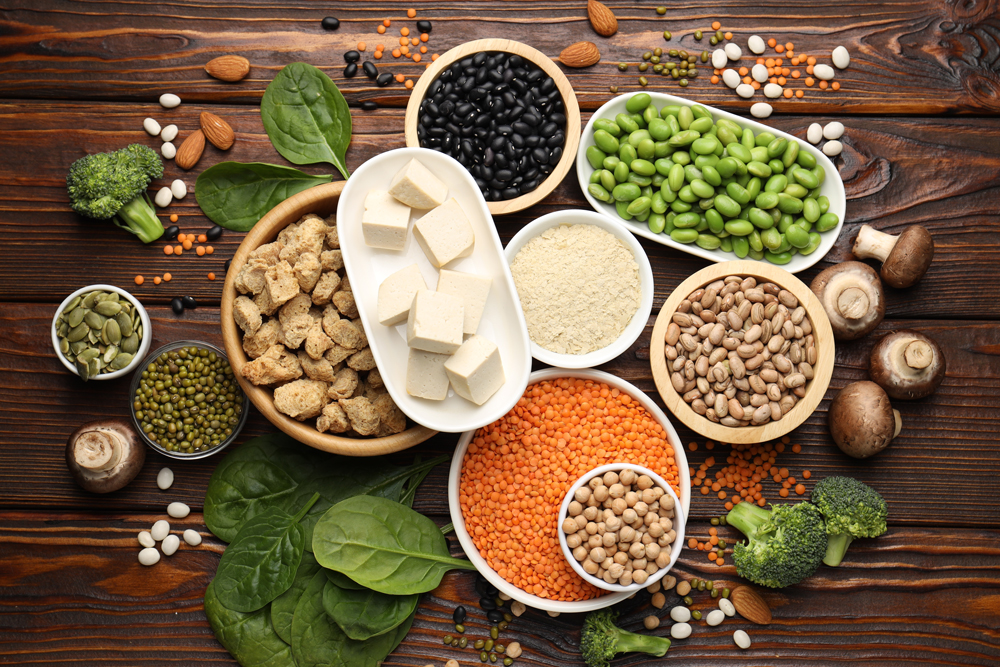
DeLiS, a new project led by SLU Holding, is now underway. It aims to help researchers turn their research findings into new products, solutions and businesses. The first initiative focuses on developing Swedish tofu made from locally grown faba beans.
DeLiS brings together food research with expertise in advanced technology, innovation and entrepreneurship. The aim is to create new collaborations and open up more opportunities for research findings to be further developed.
“Sweden has great research and innovation potential in the food sector, but the journey from research findings to market is often complex. Through DeLiS, we want to create better conditions for promising ideas to develop further and deliver benefits to society,” says Astrid Friborg, CEO of SLU Holding.
An important part of the project is exploring new ways of applying advanced technology in the food sector. This could involve technologies based on new research that can be used to develop new foods or address challenges in food production.
The goal is to support at least six research projects in exploring the potential to develop into new products, solutions or businesses. At the same time, DeLiS aims to lay the foundation for long-term collaboration between academia, businesses and other stakeholders.
The project is run by SLU Holding in partnership with the Swedish University of Agricultural Sciences (SLU), Örebro University, Örebro University Holding and Uppsala Innovation Centre (UIC).
Swedish faba beans could become the basis for tofu
One of the first projects within DeLiS builds on research from PAN Sweden, a research centre working to advance knowledge of plant-based proteins and sustainable food production. The project explores the potential of developing tofu made from Swedish-grown faba beans.
“We have both the raw materials and the research expertise needed to develop new types of food in Sweden. Now we need to get better at connecting research, technology and entrepreneurship. DeLiS aims to make the most of that opportunity,” says Maud Langton, Professor at SLU and lead researcher of the Swedish tofu project.
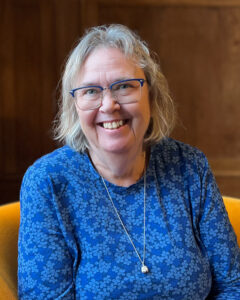
Could Swedish-grown faba beans become the basis for the tofu of the future? Maud Langton leads the research exploring this potential. Photo: Nina Jansson.
But new food products need to be more than just sustainable and technologically advanced. They also need to taste good and appeal to consumers.
“It is not enough for food to be sustainable and climate-friendly. For people to choose it, it also needs to taste good and offer a positive eating experience. That is why knowledge of flavour, aroma, texture and other sensory properties is essential when developing the foods of the future,” says Åsa Öström, Professor of Culinary Arts and Meal Science at Örebro University.
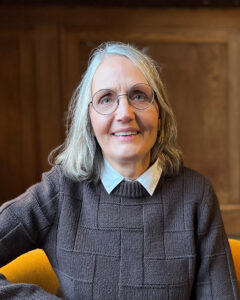
What makes us enjoy certain foods? Åsa Öström researches how our senses shape our experience of food and drink, and how sensory knowledge can be applied in the development of new food products. Photo: Nina Jansson.
How DeLiS will support researchers
DeLiS will provide researchers with support to take their ideas further. This may include advice, workshops, connections with businesses and help in identifying funding opportunities.
Companies and other industry stakeholders will also take part, contributing their knowledge of market needs and opportunities. This will help researchers explore whether and how their research findings could be developed into products, services or businesses.
DeLiS is also a first step towards long-term collaboration, bringing together research in food and advanced technology.
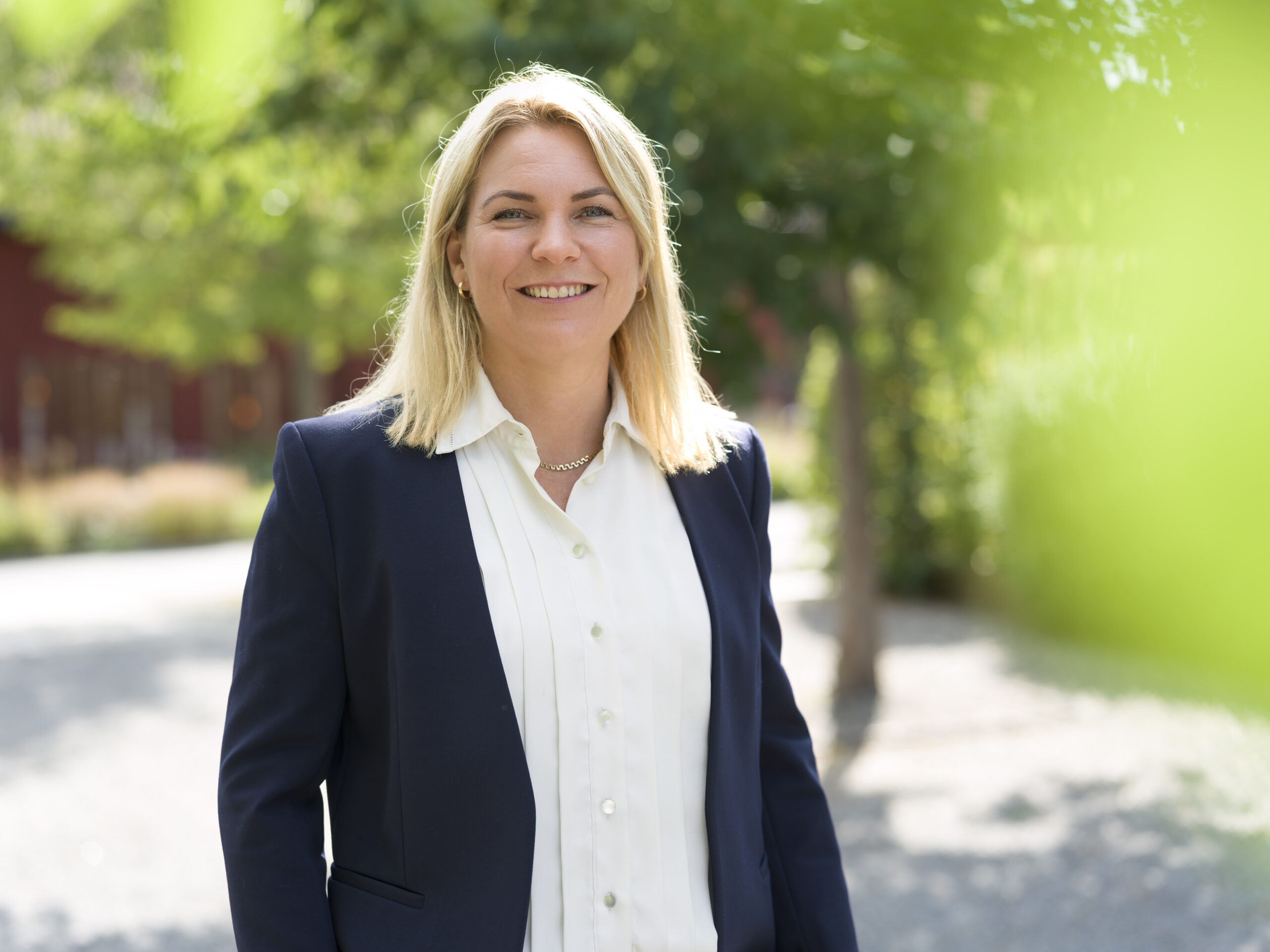
Astrid Friborg, CEO of SLU Holding, sees great innovation potential in Swedish food research. Through DeLiS, more promising research findings will have better opportunities to develop further and benefit society. Photo: Göran Ekeberg/Addlight.
About DeLiS
Project name: Deeptech och Livsmedel i Samverkan (DeLiS)
Purpose: To develop more research findings into innovations, business opportunities and future companies by bringing together research in food and advanced technology.
Project partners: SLU Holding, the Swedish University of Agricultural Sciences (SLU), Örebro University, Örebro University Holding and Uppsala Innovation Centre (UIC).
The project is funded with SEK 9 million by the Swedish Agency for Economic and Regional Growth through the European Regional Development Fund for East Central Sweden, Formas and Region Uppsala.

Contact
Mats Wiktorsson
Senior Innovation & Business Advisor
+46 (0)70 555 91 16
Mats.Wiktorsson@slu.se